Anxiety Therapist · Singapore
The noise that
won't quiet down.
Anxiety is not a character flaw. It is a brain doing too much protecting, and there are effective ways to recalibrate it. Working with a qualified anxiety therapist in Singapore is one of the most effective steps you can take.
What it actually feels like
Anxiety is more than worry.
Most people associate anxiety with excessive worrying, and yes, that's part of it. But anxiety also lives in the body: the tight chest before a meeting, the 3am wakefulness, the way your mind plays out disasters in situations that haven't happened yet. It's the exhaustion of being perpetually braced.
In Singapore's high-performance culture, anxiety is often masked by productivity. The person working hardest, checking their email at midnight, planning obsessively for contingencies. They may be the most anxious person in the room. The busyness is functioning as a way to outrun the discomfort.
Common experiences include: difficulty concentrating, irritability, muscle tension, trouble sleeping, avoidance of certain situations, and a general sense that something bad is about to happen, even when nothing is.
Types of anxiety
Anxiety comes in different forms
Generalised Anxiety Disorder (GAD)
Persistent, excessive worry about multiple areas of life (work, health, family, money) that is difficult to control and disproportionate to the actual risk. GAD is one of the most common mental health conditions in Singapore.
Social anxiety
Intense fear of social situations, particularly ones involving evaluation by others: presentations, meetings, social events. Often misread as shyness. The fear is not of people, but of being judged, humiliated, or rejected.
Health anxiety
Persistent worry about having or developing a serious illness, despite medical reassurance. Often involves repeated checking behaviours or, conversely, avoidance of medical information out of fear of what it might reveal.
Panic disorder
Recurrent panic attacks: sudden surges of intense fear with physical symptoms like a racing heart, chest tightness, breathlessness, and dizziness. These are followed by persistent worry about future attacks and changes in behaviour to avoid them.
Singapore context
Why anxiety is so prevalent in Singapore
Singapore's education system is globally recognised and globally demanding. For many, academic performance anxiety begins early and never really stops. The stakes feel perpetual.
The cost of living in one of the world's most expensive cities creates a backdrop of financial anxiety that can make it hard to relax even when things are objectively fine.
High-performing professional environments in finance, law, tech, and consulting normalise anxiety-driven behaviour and make it genuinely difficult to know where ambition ends and anxiety begins.
Cultural factors, including familial and social expectations around achievement and face, can make anxiety harder to name and harder to admit to.
In young people, anxiety from Singapore's education system often starts well before secondary school and rarely receives early support — leaving many teenagers managing significant performance anxiety as a background condition of daily life. In women, anxiety frequently presents as perfectionism: the high-achieving professional who appears entirely capable from the outside is often the most anxious person in the room, running on a fear of failure that has never been named as such.
How therapy helps
Evidence-based approaches to anxiety
CBT for anxiety
Cognitive Behavioural Therapy identifies the thought patterns that fuel anxiety (catastrophising, overestimating probability, underestimating coping ability) and helps you develop more accurate and workable ways of thinking. The behavioural component gradually reduces avoidance, which is the primary way anxiety maintains itself.
ACT (Acceptance and Commitment Therapy)
Rather than fighting anxious thoughts, ACT teaches psychological flexibility: the ability to have a thought without being controlled by it, and to move towards valued action even in the presence of anxiety. Particularly effective for high-functioning anxiety where CBT's "challenge the thought" approach doesn't land.
Exposure work
Gradual, supported exposure to feared situations is the most evidence-based treatment for phobias, social anxiety, and panic disorder. Done properly, at the right pace and with the right support, it is effective and lasting.
The GAD-7 as a starting point
The Generalised Anxiety Disorder scale (GAD-7) is used in Heal's free Clarity Check. It gives a score from 0–21 across seven items that map closely onto diagnostic criteria. It's not a diagnosis, but it's a useful starting point for understanding severity and tracking change over time. Take the free anxiety test →
From Nidhi
“Most of the people I see for anxiety have been living with it for years before they name it. They've called it ‘being a bit of a worrier’, or ‘just stressed’, or ‘high standards’. The anxious brain is resourceful at disguising itself as personality. One of the first things therapy does is give you accurate language for what you're experiencing. The moment you can call something by its real name, you can begin to relate to it differently.”
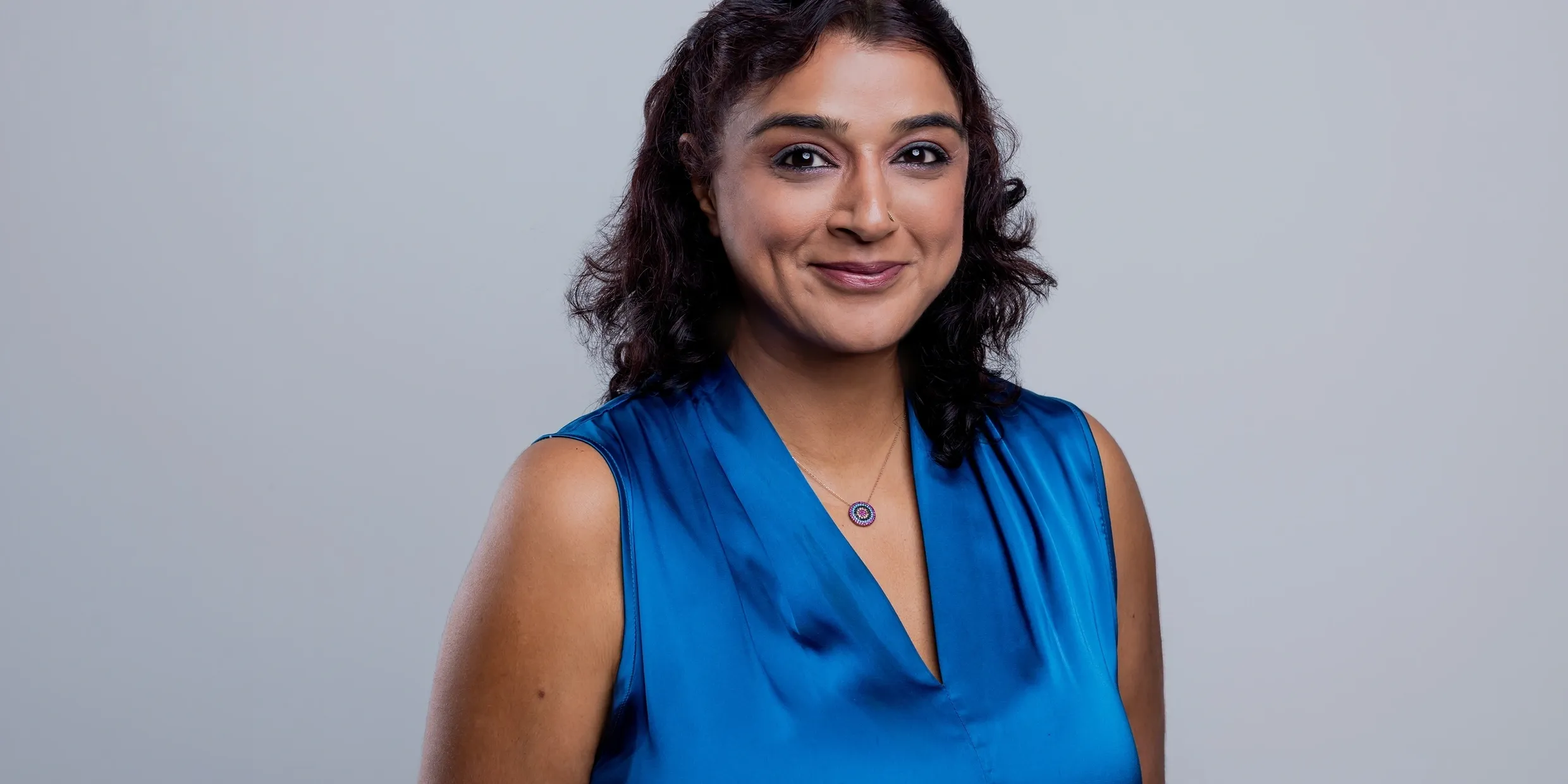
Nidhi Pitkar
Founder & Counsellor, Heal Counselling
Finding the right fit
What to look for in an anxiety therapist in Singapore
Not every anxiety therapist in Singapore uses the same approach, and the fit between therapist and client matters enormously for outcomes. Anxiety is one of the most treatable conditions in mental health — but only when the approach matches the person. Here is what to look for.
Evidence-based training
Look for a therapist who works with approaches that have strong research behind them for anxiety: CBT (Cognitive Behavioural Therapy), ACT (Acceptance and Commitment Therapy), and exposure-based work. These are not buzzwords — they are specific techniques with decades of clinical trial data. Ask directly which approaches your therapist uses and what the evidence is.
SAC or SPS registration
In Singapore, the Singapore Association for Counselling (SAC) and the Singapore Psychological Society (SPS) are the two main professional bodies with established standards for training, supervision, and ethics. An SAC-Certified Counsellor or SPS-registered psychologist has met verified standards. 'Therapist' alone is not a regulated title in Singapore — always check the underlying credential.
Experience with your specific presentation
Anxiety is not one thing. Generalised anxiety, social anxiety, health anxiety, panic disorder, and performance anxiety each have somewhat different presentations and the most effective approaches differ. Ask whether the therapist has specific experience with what you're working with — and pay attention to whether their answer is specific or generic.
A free first consultation
Reputable anxiety therapists in Singapore typically offer an initial consultation before you commit to ongoing sessions. Use this to assess whether you feel heard and understood — the therapeutic relationship is one of the strongest predictors of whether therapy will work. If the first session feels like a checklist rather than a conversation, that is information.
About Nidhi Pitkar: Nidhi is an SAC-Certified Counsellor and SAC-registered Psychotherapist with a Master's in Psychology and over a decade of experience. As an anxiety therapist in Singapore, she works with CBT, ACT, and exposure-based approaches. She is one of the few therapists in Singapore offering Walk & Talk sessions — outdoor therapy that uses movement to help clients access material that sitting still sometimes can't reach. The first 30 minutes is always free.
When to act
When is anxiety serious enough to seek therapy?
A useful rule of thumb: if your anxiety is affecting your functioning — your sleep, your ability to do your work, your relationships, your ability to enjoy things — it is serious enough to address. The threshold is not crisis. It is interference.
You avoid situations or experiences because of anxiety
You lie awake with worry several nights per week
Physical symptoms (tension, headaches, gut issues) are persistent
Your anxiety is affecting your relationships or work
You use alcohol, overworking, or distraction to manage it
The worry has been present for more than a few months
You've had a panic attack and are afraid of having another
People close to you have noticed the anxiety
You don't need to tick all of these boxes, or any specific number. If your anxiety is costing you something, it is worth addressing. The free GAD-7 anxiety check gives you a validated score to understand severity — and the free 30-minute consultation with Nidhi is a no-pressure starting point.
Also useful for anxiety
Free GAD-7 Anxiety Test
The 7-question clinical screener used in GP offices worldwide. 2 minutes, instant score.
Explore →Free toolWindow of Tolerance
The zone where you feel steady and able to cope, and simple ways to widen it.
Explore →ReadBurnout vs Depression: Which Is It?
Anxiety often travels with burnout. Understanding the distinction changes what helps.
Explore →Not sure if you're ready?
Start with the free Clarity Check.
5 minutes. Three validated screeners. Instant results. A clearer sense of where you are — before committing to anything.
Ready to work through your anxiety?
Take the free anxiety check, or book a 30-minute consultation to talk through what's happening.
- ✦Free 30-min consultation
- ✦Reply within 1 business day
- ✦Fully confidential
Or leave your details below and Nidhi will reach out personally.
Send an email instead
Prefer not to WhatsApp? Leave your details here.